
What actually survived
SunPower filed for Chapter 11 in 2024 and all official support ended on September 20, 2024. The company warranty went with it.
If you bought your system outright (particularly if it was installed on or before September 30, 2024), the rebranded SunPower does not assume your warranty or service obligations.
What survived is the equipment coverage from the manufacturers who made the individual components. Those companies still exist and still honor their own products.
The catch: what used to be one phone call is now several separate claims, each with its own rules.
Who honors what
- Enphase (microinverters) — honored, but parts only. Labor coverage was eliminated, so you get the part and pay for the install.
- Maxeon (panels) — honored, but required self-registration by December 31, 2024. That deadline has passed for many owners.
- Qcells, Fronius, REC, and Fimer — equipment-only, excluding labor and shipping.
- SolarWorld (panels on some older systems) — we found no record that SunPower took these on. Use the claim address in the SolarWorld warranty itself.
The first step is the same in every case, and it is the step that's easiest to skip: find your original installation contract. Work out which manufacturer made each component.
Panels, microinverters, and gateway are frequently three different companies. It is worth an hour of your time.
⚠️ Before you buy a replacement microinverter
This is the most expensive mistake available to an orphaned SunPower owner, and it has caught people.
SunPower Type E / IQ7X microinverters require voltage-matched replacements. A standard Enphase IQ7+ or IQ8+ is destroyed by the high-voltage X-Series panels it would be connected to.
Replacement also requires:
- a Q-Field-Wireable connector, which alters the UL assembly and triggers NEC wet-location compliance;
- an authorized installer to add the new unit to the reporting platform.
Diagnose freely. Buy parts carefully.
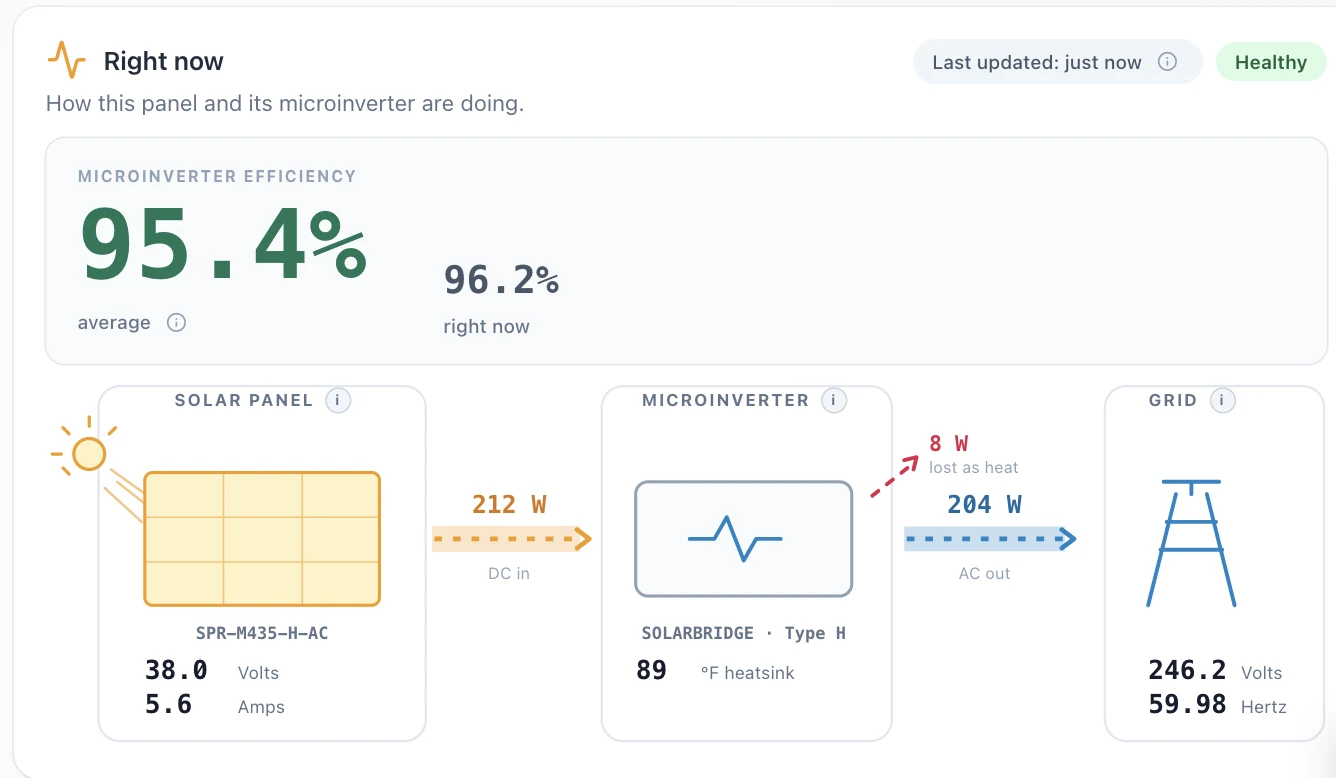
The practical problem: finding someone to do the work
A parts-only warranty assumes you can find labor, and that is the genuinely hard part. Owners routinely report that installers decline orphaned SunPower systems as not worth their time.
Two things help:
- If you are on a lease or PPA (power purchase agreement), check the contract before arranging any third-party repair. It can breach the agreement.
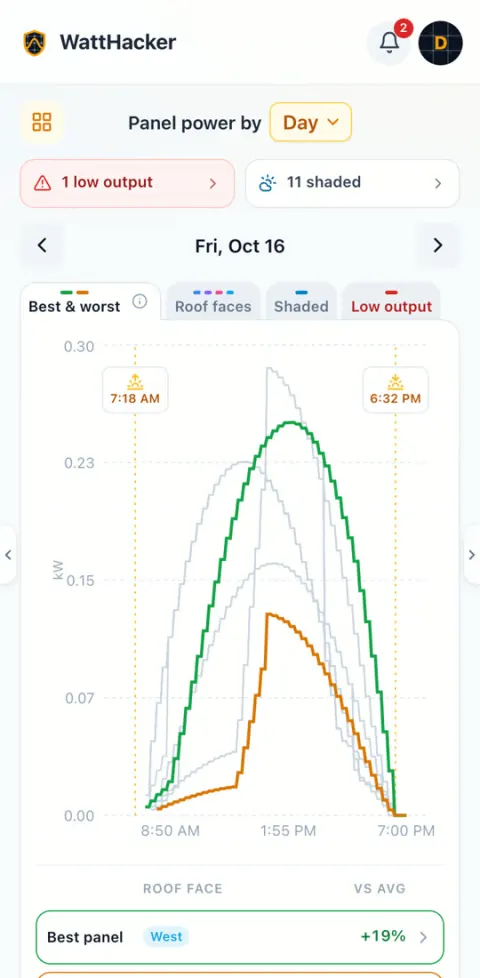
- Diagnose before you call. "One panel has been underperforming since March, here is the data" is a completely different conversation from "something might be wrong". It is often the difference between getting a callback and not.
A parts-only warranty assumes you can find labor, and that is the genuinely hard part.
Why the diagnosis matters for a claim
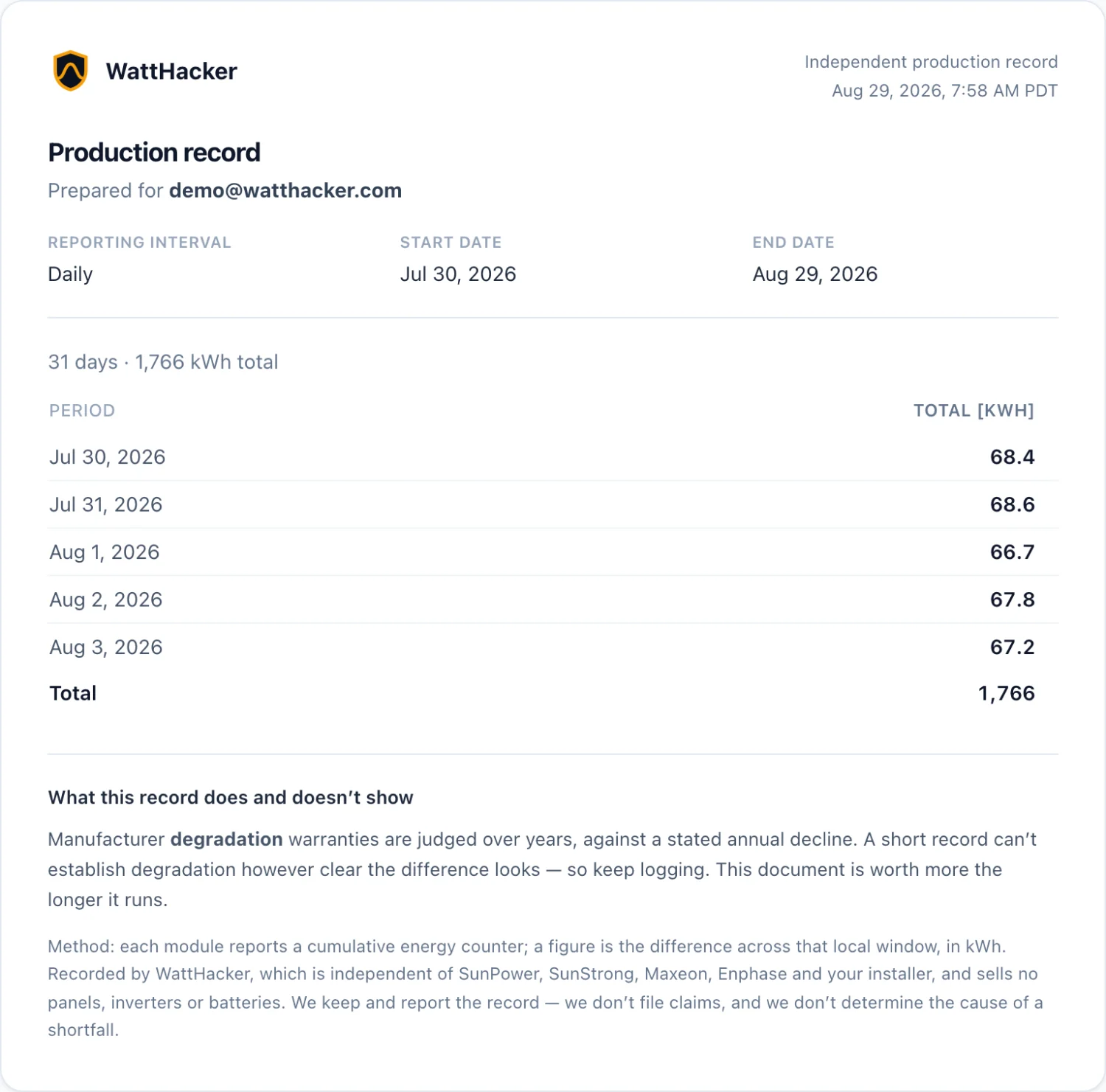
A warranty claim needs evidence, and per-panel production history is the evidence.
Knowing which unit failed and when it started is what turns a claim from a conversation into a case. After the shutdown, owners without a monitor have no way to produce that.
Any tool that reads your gateway locally can give it to you, including the free open-source Home Assistant integrations if you are technical.
Keep that record somewhere you control. Gigawatt can save every panel to your own Google Sheet. See how, and what keeps running if we close.
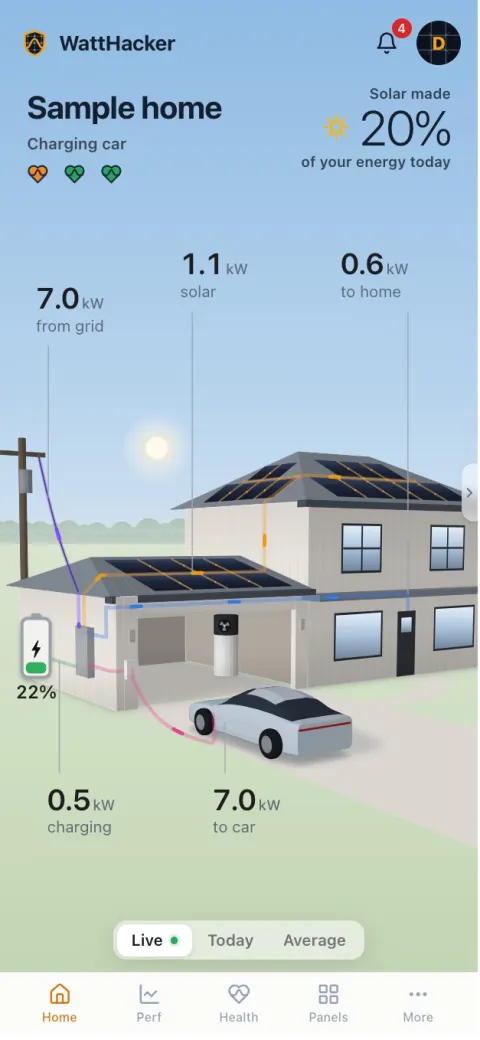
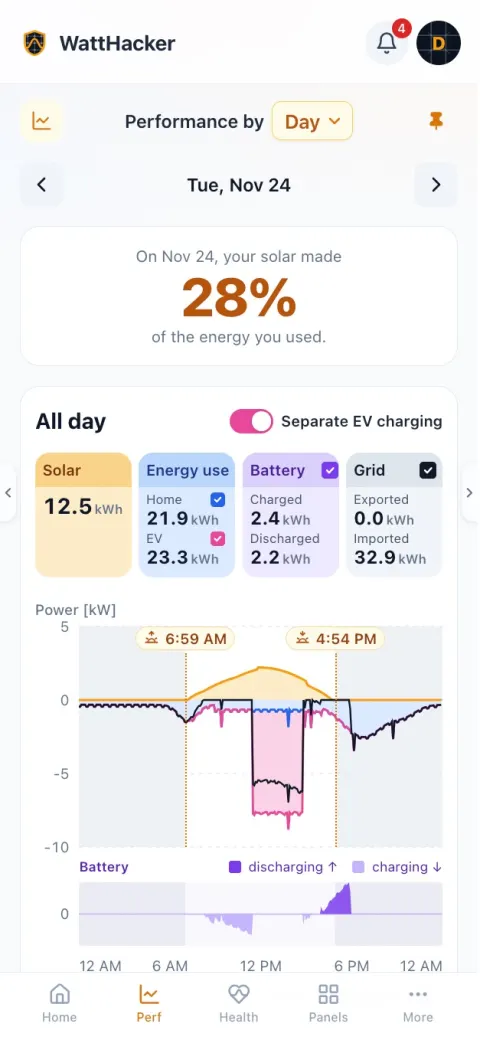
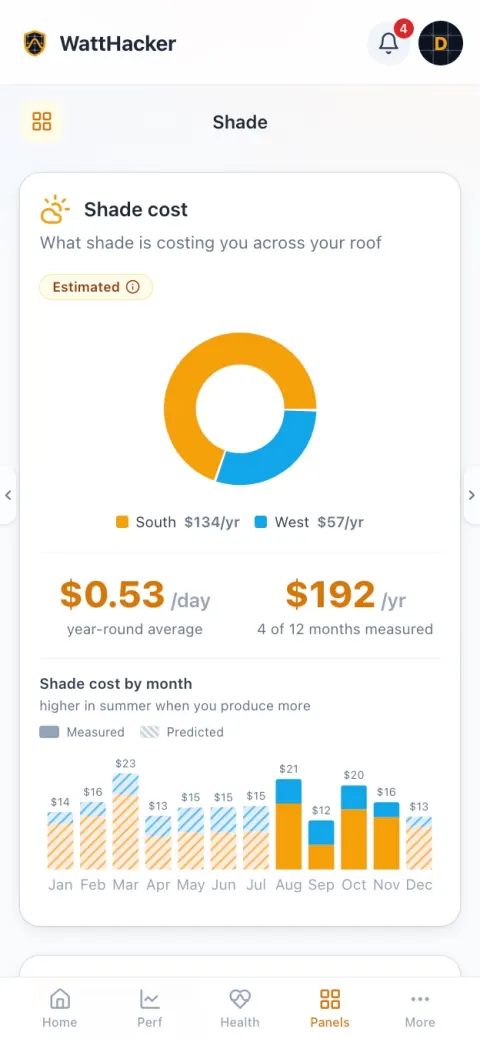
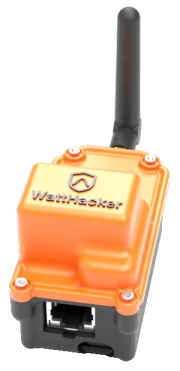
See every panel again.
- No subscription
- Alerts when a panel fails
- Plug it in yourself, no installer
$75 onceEvery panel, live
$199 oncePlus full history


Free app; monitor required. WattHacker is independent and not affiliated with SunPower, SunStrong, Maxeon, or Enphase.
Common questions
Is my SunPower warranty still valid after the bankruptcy?
The SunPower company warranty — the workmanship and whole-system coverage SunPower itself provided — is effectively worthless after the Chapter 11 filing and the September 2024 shutdown. The equipment warranties from the manufacturers who actually made the parts survived, but they are split across several companies and you have to claim from each individually.
Does Enphase still honor microinverter warranties on SunPower systems?
Yes, but parts only — labor coverage was eliminated. You can get a replacement microinverter under warranty and still pay someone to install it, which on an orphaned system is often the harder half.
What happened to the Maxeon panel warranty?
Maxeon honors panel warranties but required owners to self-register, with a deadline of December 31, 2024. That deadline has passed for many owners who never heard about it. If you did not register, contact Maxeon directly and ask — do not assume the answer is no, but do not count on coverage either.
Did SunPower take over SolarWorld's panel warranties?
We found no record that it did. SolarWorld's German parent went insolvent in 2017, and in 2018 SunPower bought SolarWorld Americas' Oregon factory and other assets; the filing describes assets, not old warranties. Start with your SolarWorld warranty: it says where to send a claim if your installer has closed. If your system went in between 2012 and 2017, also look in your paperwork for a SolarWorld Assurance plan, a separate warranty, backed by an outside company, that can transfer to a new owner.
Can I just buy a replacement microinverter myself?
Be very careful. SunPower Type E / IQ7X microinverters need voltage-matched replacements — a standard Enphase IQ7+ or IQ8+ is destroyed by the high-voltage X-Series panels it would be fitted to. Replacement also needs a Q-Field-Wireable connector, which alters the UL assembly and triggers NEC wet-location compliance, plus an authorized installer to add the part to the reporting platform.
 See every panel again SunPower, no subscription.
See your own panels, live.
See plans Try the demo Back to home