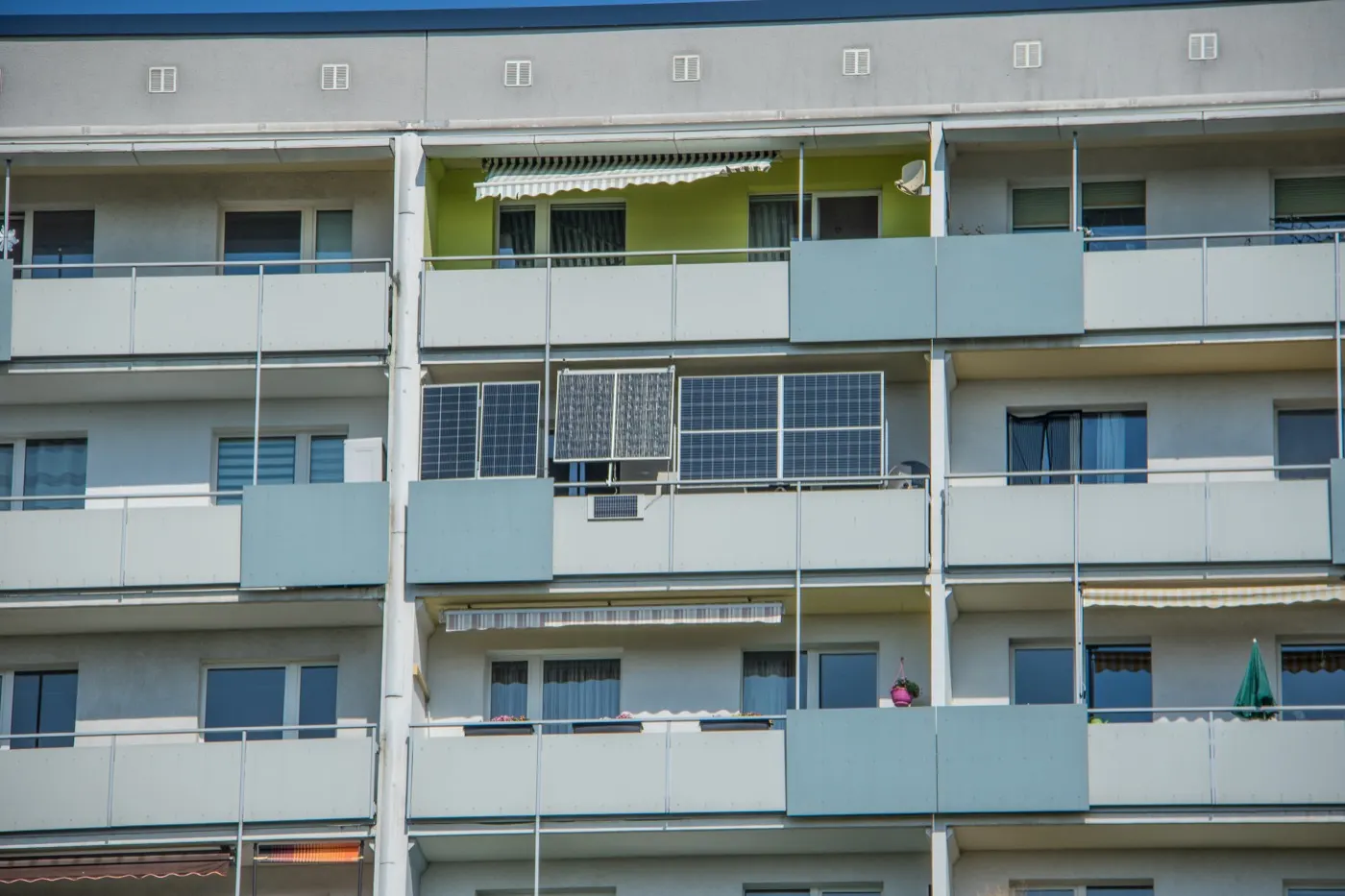
Short answer: From about March 1, 2027. New Jersey's Garden State Balcony Solar Act allows up to 1,200 W with no utility approval, fee, or notice. Until then, a kit needs your utility's permission to operate.
What the law says
- The Garden State Balcony Solar Act (S2368, P.L.2026, c.82), signed September 1, 2026. It takes effect six months after signing, about March 1, 2027 by our count.
- Up to 1,200 W per service address, or per unit in an apartment building. More than that needs an interconnection agreement.
- No utility approval, fee, extra equipment, or notice. It sits outside net metering.
- The kit must be certified to UL 3700 "or a comparable standard" by a nationally recognized testing lab.
- Your town can't prohibit a kit, or require a permit, application, fee, license, or other approval.
Sources: S2368 text, bill history, Governor's release. Read October 26, 2026.
Until it starts
Until the law starts, PSE&G, the state's largest utility, tells solar customers not to turn a system on until they receive its permission to operate. PSE&G.
Many people plug kits in anyway. That doesn't make it allowed, and your utility could ask you to disconnect.
Renters and HOAs
- Renters who pay their own electric bill: your landlord can't ban a kit in your home, including a leased balcony or patio, but can set reasonable size and placement limits.
- HOAs, condos, and co-ops can't ban a kit on the outside of a unit, but can set reasonable restrictions.
- Tenants give the landlord, HOA, condo, or co-op 14 days' written notice, with the kit's documentation and where it will go. You may be asked to cover damage from careless installation or use.
The bottom line
Every state, side by side: the 2026 list. Which kit pays back fastest: 10 kits ranked. What one would save you: the free balcony solar calculator.
Already have solar on the roof?
Before you buy a plug-in kit, find out whether your house is already sending power to the grid at midday. If it is, a plug-in kit mostly adds to that export instead of cutting your bill. The WattHacker monitor shows your rooftop production live, panel by panel. It plugs into the SunPower or Enphase gateway you already own.
- Home use is shown too where your system was installed with consumption meters. Without them you see production only. Your utility's hourly usage download also shows export.
- A plug-in kit is a separate inverter. Your rooftop gateway will not count its production, so neither will we.
- Free to see your panel data, with no subscription. The monitor is a one-time purchase with a 30-day money-back guarantee.
Still have questions about your own system? I'll go through it with you — your panels, your bill, and what's worth doing about it.
Book a free callAre your panels installed by SunPower or Enphase? See how it works for SunPower or Enphase, or see a demo.
Real panels, real production.
Common questions
Is balcony solar legal in New Jersey?
From about March 1, 2027. New Jersey's Garden State Balcony Solar Act allows up to 1,200 W with no utility approval, fee, or notice. Until then, a kit needs your utility's permission to operate.
Which states allow plug-in solar?
As of October 2026, about ten states have signed plug-in solar laws, several starting in 2027. The national page lists them all, with limits and start dates.
See your own panels, live.
See plans Try the demo Back to home