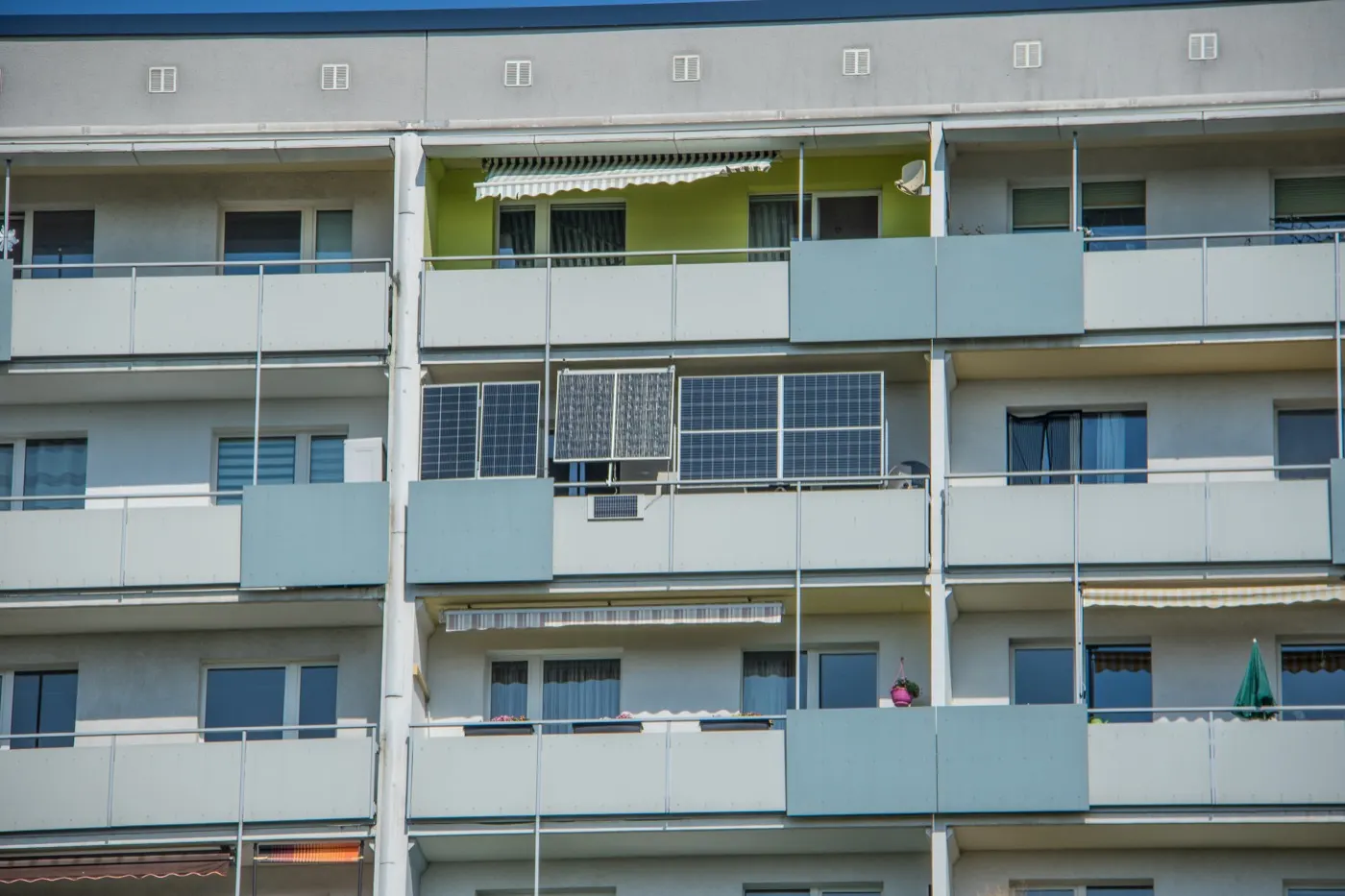
Short answer: No. North Carolina has no plug-in solar law. Two bills, H1129 and S957, have sat in committee since spring 2026. Until one passes, a kit needs your utility's approval.
The bills waiting in committee
- H1129, "Balcony Solar," went to the House Rules committee on April 30, 2026. S957 went to the Senate Rules committee on May 4.
- As written, H1129 allows up to 1.2 kW, certified by UL or an equivalent lab, with no interconnection agreement, approval, or fee, and notice to the utility at least 15 days before you start. It also bars landlords with more than four rentals from banning kits.
Sources: H1129, S957. Read October 26, 2026.
What applies today
North Carolina's interconnection procedures say requests "shall be submitted to the Utility for approval at the final design stage and prior to the beginning of construction." NCUC procedures, 2019 edition.
Many people plug kits in anyway. That doesn't make it allowed, and your utility could ask you to disconnect.
Renters and HOAs
- HOAs: G.S. 22B-20 voids covenants that would prohibit solar collectors, but HOAs can still bar ones visible from the ground on a wall or roof facing common or public areas, and some condominiums are excluded. G.S. 22B-20.
The bottom line
Every state, side by side: the 2026 list. Which kit pays back fastest: 10 kits ranked. What one would save you: the free balcony solar calculator.
Already have solar on the roof?
Before you buy a plug-in kit, find out whether your house is already sending power to the grid at midday. If it is, a plug-in kit mostly adds to that export instead of cutting your bill. The WattHacker monitor shows your rooftop production live, panel by panel. It plugs into the SunPower or Enphase gateway you already own.
- Home use is shown too where your system was installed with consumption meters. Without them you see production only. Your utility's hourly usage download also shows export.
- A plug-in kit is a separate inverter. Your rooftop gateway will not count its production, so neither will we.
- Free to see your panel data, with no subscription. The monitor is a one-time purchase with a 30-day money-back guarantee.
Still have questions about your own system? I'll go through it with you — your panels, your bill, and what's worth doing about it.
Book a free callAre your panels installed by SunPower or Enphase? See how it works for SunPower or Enphase, or see a demo.
Real panels, real production.
Common questions
Is balcony solar legal in North Carolina?
No. North Carolina has no plug-in solar law. Two bills, H1129 and S957, have sat in committee since spring 2026. Until one passes, a kit needs your utility's approval.
Which states allow plug-in solar?
As of October 2026, about ten states have signed plug-in solar laws, several starting in 2027. The national page lists them all, with limits and start dates.
See your own panels, live.
See plans Try the demo Back to home