If you have solar on your roof, you signed up for it. Your installer filed an application, your utility approved it, and your system runs under an interconnection agreement and a net metering tariff.
A plug-in kit skips all of that. That's the point of the new state laws.
So what happens when one home has both?
The kit gets no credit
Net metering pays you for power your solar sends to the grid. Plug-in laws were written to keep kits out of it:
- Utah, Virginia, Maine, and New Hampshire: plug-in kits are not eligible for net metering.
- New York (awaiting signature): not eligible, unless the owner signs a separate agreement with the utility.
- Maryland: the state's regulator warns that power a kit sends out may be "treated as zero consumption or erroneously added to consumption."
- California: the law doesn't say.
Vermont's law says it outright: a home with net-metered solar shall not also install a plug-in kit.
One state says no outright
Vermont's law, Act 149, is the only one we found that speaks to homes that already have solar: "A customer with a net metering system shall not also install a plug-in photovoltaic device."
The other states don't address it. That isn't permission. Your rooftop system's agreement with your utility still applies, and it may not allow other generators on the same meter.
California: the 10% or 1 kW rule
California's legacy net metering plans, NEM 1 and NEM 2, are worth a lot. PG&E's tariffs let you change your system and keep your plan only if the change adds no more than 10% of its original size, or 1 kW, whichever is greater.
A full 1,200 W kit is over 1 kW. On any system under 12 kW, that's over the allowance, if a kit counts. Whether it does is an open question at the CPUC.
The full California answer, with a table by system size.
Your meter can't tell them apart
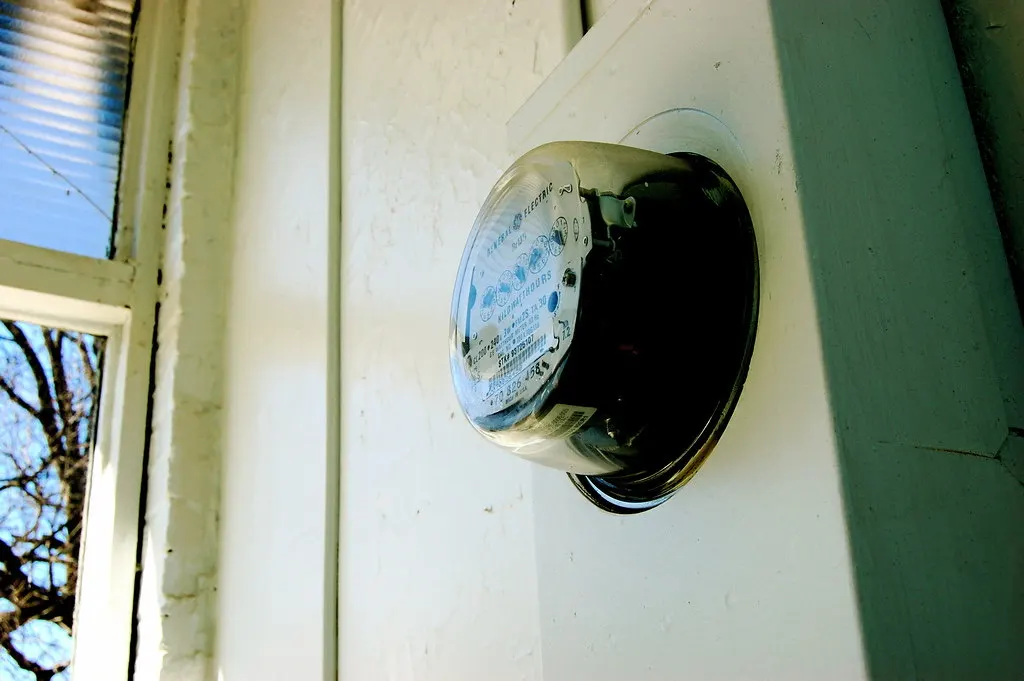
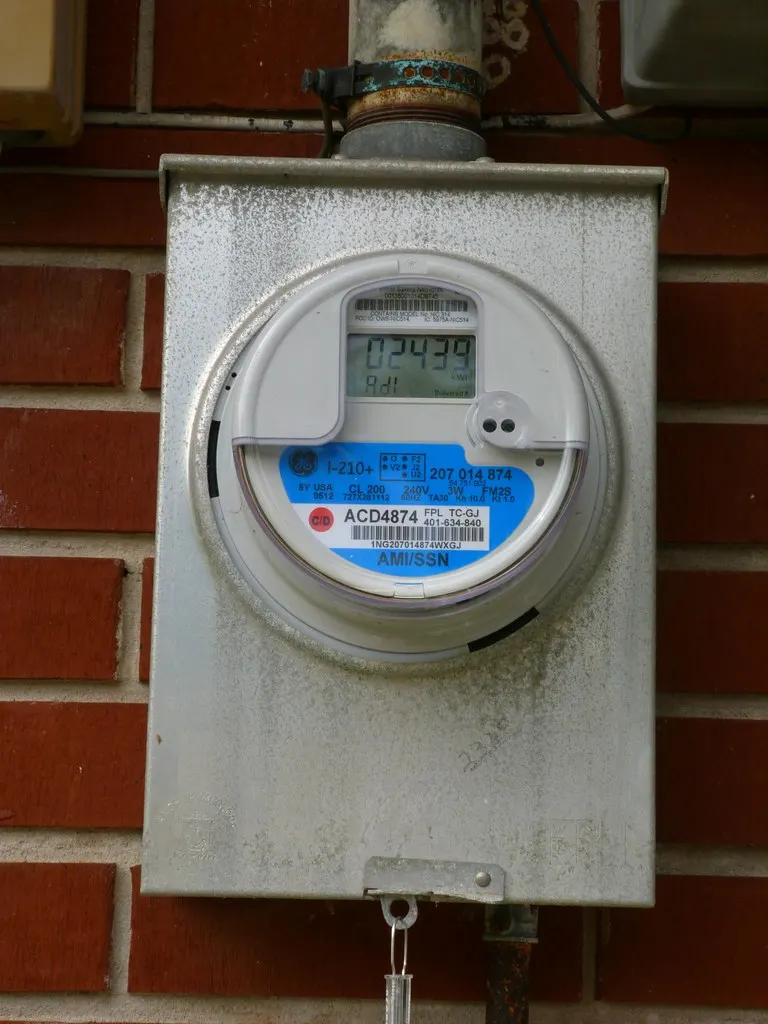
Your roof and a plug-in kit both feed the same wiring, behind the same meter. The meter sees only the total.
So on a sunny afternoon, a kit's power either replaces power you would have bought, or goes out to the grid as extra export.
On a solar home, it's often the second. If your roof already covers your daytime use, the kit's output simply adds to what you send out.
Your meter may even credit that export as if your roof made it. That is exactly the kind of change your agreement with the utility never approved.
Check this before you buy
- Find your tariff. Your bill names your net metering plan and your system's size.
- See whether you export at midday. Your utility's hourly usage download, often called Green Button, shows it as negative hours.
- Check your state's law. The 2026 list. In Vermont, stop here.
- Ask your utility in writing what a plug-in kit does to your net metering. Keep the reply.
- Size it small. If you go ahead, a kit your home uses all of saves the most. Why size matters.
The bottom line
A plug-in kit is built for homes without solar. On a solar home, find out what your roof already sends out, and ask your utility, before you plug one in.
Already have solar on the roof?
Before you buy a plug-in kit, find out whether your house is already sending power to the grid at midday. If it is, a plug-in kit mostly adds to that export instead of cutting your bill. The WattHacker monitor shows your rooftop production live, panel by panel. It plugs into the SunPower or Enphase gateway you already own.
- Home use is shown too where your system was installed with consumption meters. Without them you see production only. Your utility's hourly usage download also shows export.
- A plug-in kit is a separate inverter. Your rooftop gateway will not count its production, so neither will we.
- Free to see your panel data, with no subscription. The monitor is a one-time purchase with a 30-day money-back guarantee.
Still have questions about your own system? I'll go through it with you — your panels, your bill, and what's worth doing about it.
Book an energy reviewAre your panels installed by SunPower or Enphase? See how it works for SunPower or Enphase, or see a demo.
Real panels, real production.
Common questions
Does plug-in solar get net metering credit?
Not under any of the state laws we read. Utah, Virginia, Maine, and New Hampshire exclude plug-in kits from net metering, and New York's bill does unless the owner signs a separate agreement. California's law doesn't mention it. Maryland's regulator warns that power a kit sends out may be treated as zero, or even wrongly added to your use.
Can I add plug-in solar if I already have net-metered rooftop solar?
In Vermont, no: its law says a customer with a net metering system shall not also install a plug-in device. Elsewhere, the laws don't address it. Your rooftop system runs under an interconnection agreement with your utility, and adding a generator it didn't approve may break that agreement. Ask your utility in writing first.
Will plug-in solar affect my NEM 2.0 status in California?
It could. PG&E's NEM 1, NEM 2, and Net Billing tariffs let you change your system and keep your legacy rate only if the change adds no more than the greater of 10% of the original size or 1 kW. Whether a plug-in kit counts toward that is not settled, and the CPUC has the question open. A 1,200 W kit is over 1 kW.
Will my utility know I added a plug-in kit?
Your meter can't tell which panels made a kilowatt-hour; it only sees less power coming in, or more going out. But on a solar home, a kit adds to midday export, which shows in your hourly data. And in states that require notice or registration, the law expects you to tell the utility.
Is plug-in solar worth it if I already have solar panels?
Usually less than you'd think. A kit saves money only on power your home uses as it's made. A solar home on a sunny afternoon is often already sending power out, so the kit's output goes straight to the grid, and no plug-in law we read says you're owed credit for it. It helps most when your roof system no longer covers your daytime use.
See your own panels, live.
See plans Try the demo Back to home